You invested in solar energy to save on costs and embrace a greener lifestyle, but your system’s output is falling short of expectations. It’s a frustrating situation that can leave you wondering if you made the right choice. If you’re looking at your energy bills and asking, “Why are my solar panels not getting enough sun?”, you’ve come to the right place. Underperformance isn’t uncommon, and the cause is often something that can be identified and fixed.
Table of Contents
Several factors, from simple environmental changes to issues with the original installation, can impact your system’s efficiency. As a trusted resource focused on residential solar solutions, RenewGenius is here to help you diagnose the problem. Our comprehensive solar knowledge base is designed to empower homeowners like you to get the most out of your investment. Let’s walk through the most common reasons for reduced sun exposure and what you can do about it.
Common Culprits: Identifying Why Your Panels Are Underperforming
Before you can fix the problem, you have to find it. Reduced energy production is usually tied to one of a few key issues that limit the amount of direct sunlight hitting your panels.
Issue #1: Solar Panel Obstruction Issues
This is the most frequent and often overlooked cause of underperformance. Even a small shadow cast across a single panel can significantly reduce the output of the entire string of panels. Shading that wasn’t there during installation can appear over time.
Common sources of obstruction include:
- Tree Growth: Branches that have grown over the months or years can cast long shadows, especially in the morning or late afternoon.
- New Construction: A neighbor’s new second-story addition, a shed, or even a chimney can create new, permanent shading.
- Rooftop Additions: A new satellite dish, plumbing vent, or attic fan installed after your solar array can cause unexpected shadows.
What to do: Regularly inspect your roofline from the ground at different times of the day to spot new obstructions. Professional tree trimming can often solve the problem, but new construction may require a more complex solution.
Issue #2: Dirt, Debris, and Soiling
Your solar panels are exposed to the elements 24/7. Over time, a layer of dust, pollen, bird droppings, and leaves can accumulate on the glass surface. While rain can wash some of it away, it often isn’t enough to remove caked-on grime, which acts like a film, blocking sunlight and reducing efficiency. In some tests, soiled panels have shown a production loss of over 20%.
What to do: For light dust, a simple rinse with a garden hose (without high pressure) on a cool, overcast day might suffice. For more stubborn buildup, professional cleaning is the safest and most effective option to avoid scratching the panels or risking injury.
Issue #3: Incorrect Initial Placement or Orientation
The efficiency of a solar panel system is critically dependent on its orientation (the direction it faces) and its tilt (the angle relative to the ground). For homes in the Northern Hemisphere, a south-facing roof is ideal. However, if your initial installation wasn’t perfectly optimized for your specific location and roof structure, you may be missing out on peak sun hours. This is a foundational issue that can permanently hinder your system’s potential.
What to do: This isn’t a DIY fix. If you suspect your panels were not placed optimally, it requires a professional analysis to determine if re-racking and repositioning are feasible and cost-effective.
Issue #4: Seasonal Changes and Weather Patterns
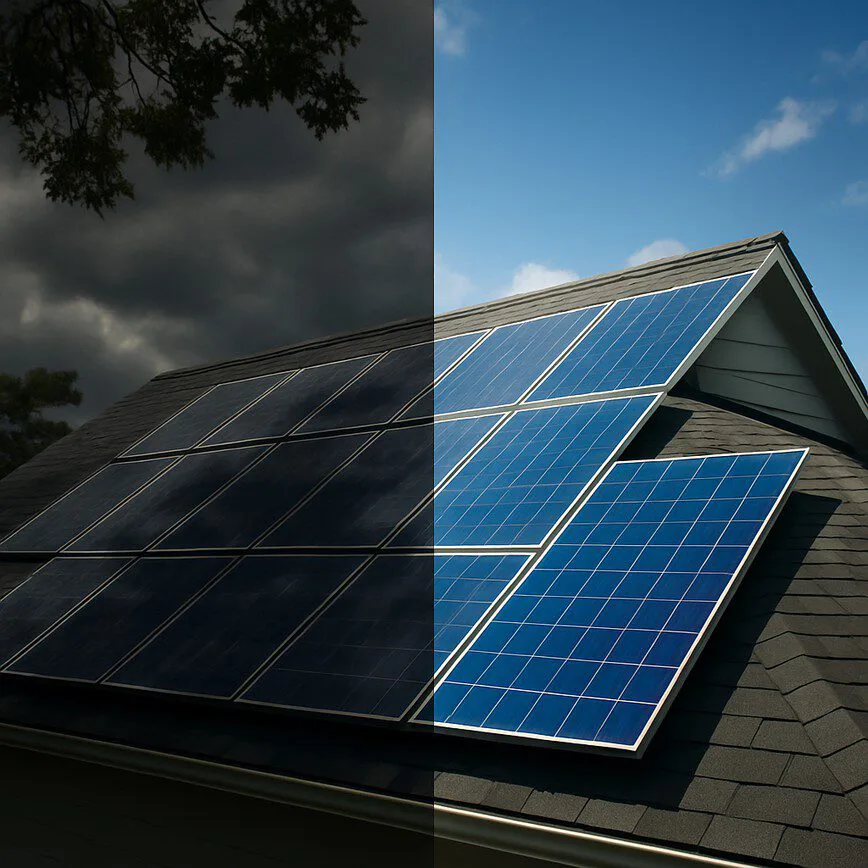
It’s important to remember that solar panel output is not constant. You will naturally see lower production during the shorter, cloudier days of winter when the sun is lower in the sky. A string of rainy or overcast days will also lead to a temporary dip in output.
What to do: Monitor your system’s production data over time. Your solar monitoring app or portal should show you daily, monthly, and yearly trends. If you see a consistent, year-over-year decline that can’t be explained by weather, it’s time to investigate other causes.
Actionable Steps for Improving Solar Panel Output
Now that you know what to look for, you can take some immediate steps. Here’s a quick checklist for improving solar panel output:
- Conduct a Visual Inspection: Walk around your property and look for any new sources of shade.
- Check Your Monitoring Software: Compare your current output to the same period last year. Is the drop significant, or is it just seasonal variation?
- Perform Gentle Cleaning: If you notice a visible layer of dirt and can do so safely from the ground, give your panels a rinse.
- Schedule Professional Maintenance: If you suspect the issue is more complex or can’t safely access your panels, it’s time to call in the experts.
When to Call the Experts: The Value of a Professional Reassessment
While cleaning and minor trimming are manageable, issues like permanent shading or poor initial placement require an expert eye. If you’ve run through the checklist and are still seeing poor performance, a solar panel reassessment service is your next logical step.
A professional reassessment goes beyond a simple visual check. At RenewGenius, our expertise in residential solar solutions allows us to conduct a deep analysis of your system’s placement, angle, and surrounding environment. We leverage our comprehensive solar knowledge base to diagnose complex solar panel obstruction issues and determine the best path forward. We can even use tools like our ROI calculator to model how a repositioning or upgrade could improve your financial returns.
Sometimes, the best solution involves exploring our detailed solar panel installation process. An expert site assessment is the crucial first step to ensuring your panels are perfectly placed to capture the maximum amount of sunlight.
Conclusion: Maximize Your Solar Investment
Seeing your solar panels underperform is disheartening, but the problem is almost always solvable. By identifying common culprits like obstructions, dirt, and suboptimal placement, you can take clear steps toward improving solar panel output.
Don’t let poor performance diminish your return on investment. Start with a simple inspection, but don’t hesitate to seek professional help for a thorough solar panel reassessment service. Contact RenewGenius today to tap into our expertise and ensure your home’s solar system is working as hard as it should be.