When you begin exploring solar energy for your home, you’ll quickly encounter a new world of terms, calculations, and regulations. One phrase that often causes confusion for homeowners is the “20% rule.” If you’ve found yourself asking, what is the 20% rule for solar panels, you’re in the right place. Understanding this concept is a key step in designing the right system for your home.
Table of Contents
This guide will demystify the 20% rule, explaining what it is, why it exists, and how it impacts your journey to energy independence. At RenewGenius, we believe in empowering homeowners with knowledge, turning complex topics into clear, actionable insights.
What is the 20% Rule for Solar Panels?
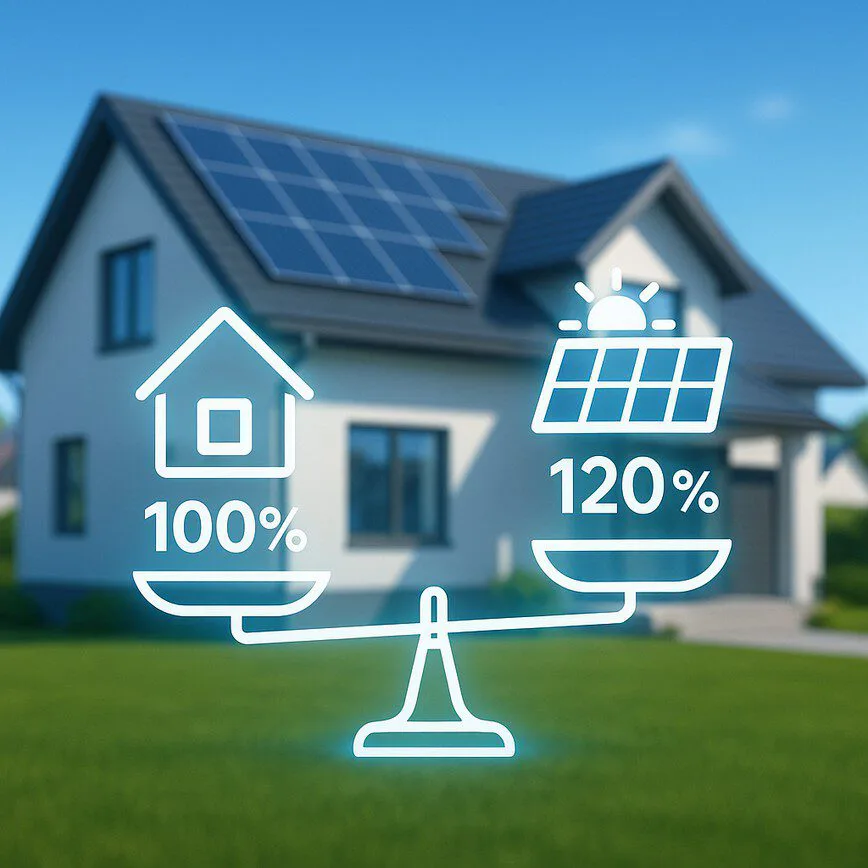
In simple terms, the “20% rule” is a common guideline used by utility companies to limit the size of a grid-tied residential solar panel system. While the exact percentage can vary, the most common version of this rule states that a new solar system’s estimated annual energy production cannot exceed 120% of the home’s electricity consumption from the previous 12 months.
For example, if your home used 10,000 kilowatt-hours (kWh) of electricity last year, the 20% rule would limit you to installing a solar system designed to produce no more than 12,000 kWh per year (10,000 kWh + 20%).
This is one of the most important initial solar panel sizing rules that a professional installer will consider when designing your system.
Why Does This Solar Panel Sizing Rule Exist?
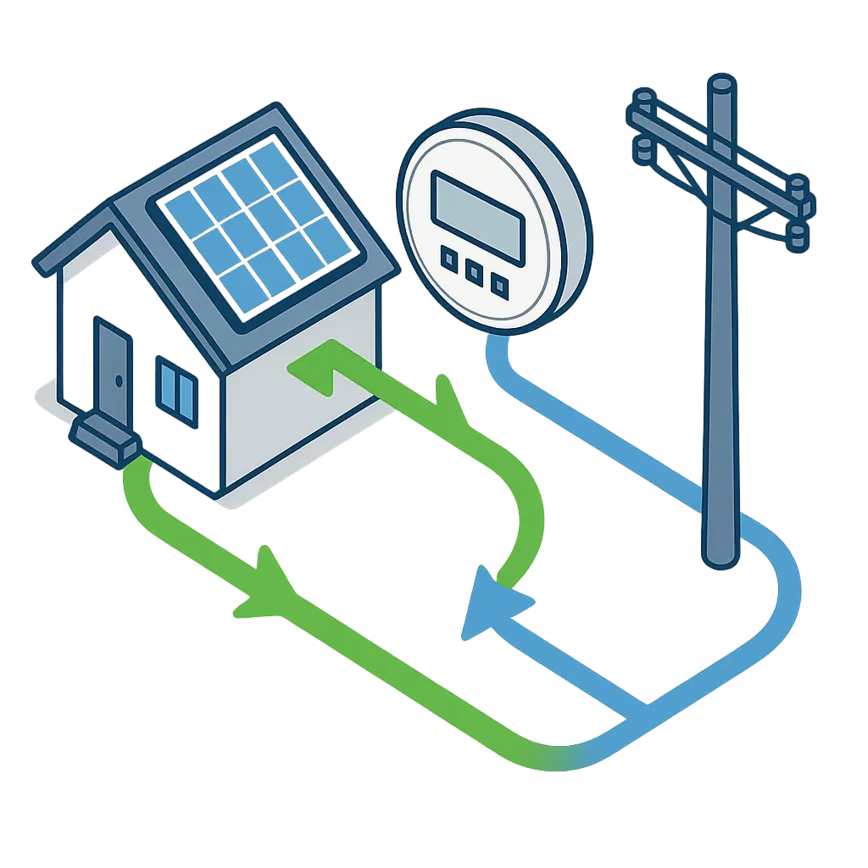
This rule isn’t arbitrary; it’s rooted in the way our energy grid is structured and how utilities manage the flow of electricity, especially with the rise of net metering programs.
Preventing Overproduction and Grid Strain
Utility grids were historically designed for a one-way flow of power: from a central power plant to your home. Net metering allows for a two-way flow, where your excess solar energy is sent back to the grid in exchange for credits. The 20% rule helps prevent homeowners from installing massive systems that act like small power plants, which could potentially overload local grid infrastructure. Utilities aim to have you offset your own use, not become a commercial power producer.
Ensuring Fair Compensation
Net metering programs are designed to be a fair exchange. The 20% buffer allows for slight variations in your energy use and solar production year-to-year. However, utilities are generally not in the business of buying large amounts of power from residential customers. This rule helps keep the net metering system financially balanced for both the homeowner and the utility company.
How the 20% Rule Impacts Your Solar Panel System Design
This guideline directly influences the answer to the crucial question: “how many solar panels do I need?”
When you work with a solar provider, one of the first steps is to analyze your past utility bills. This historical data establishes your baseline consumption. The installer then uses this baseline to follow the local solar panel system design rules, including any oversizing limits like the 20% rule.
This calculation determines the maximum output—and therefore the maximum number of panels—your system can have. It ensures the system is “right-sized” to meet your needs effectively without violating utility regulations.
Does the 20% Rule Apply to Everyone?
No, it does not. This is a critical point. These solar panel sizing rules are not federal laws; they vary significantly based on your:
- State: Some states have very generous oversizing allowances, while others are more restrictive.
- Utility Company: Even within the same state, different utility providers may have their own specific interconnection agreements and rules.
- Local Jurisdiction: Occasionally, local municipalities may have their own regulations.
This is why partnering with an expert focused on residential solar solutions is so important. A qualified installer will be intimately familiar with the specific rules governing your exact location, ensuring your project is compliant from day one.
Planning for Future Energy Needs
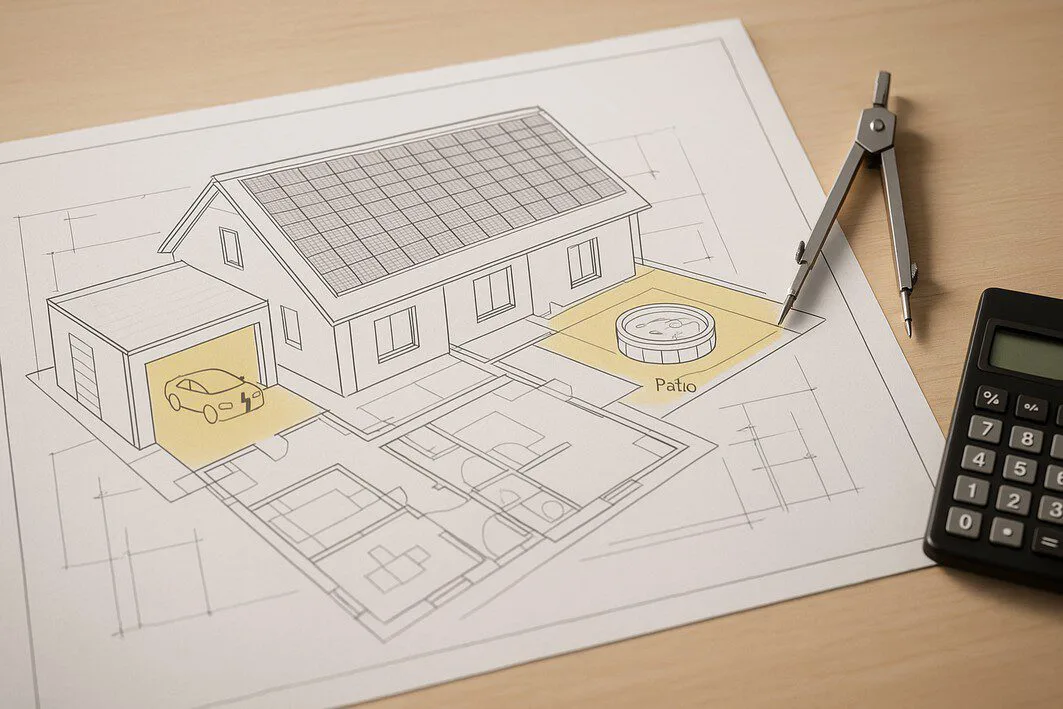
A common concern for homeowners is future increases in electricity use. What if you plan to buy an electric vehicle (EV) next year or install a heat pump? A system sized only for your past usage might become insufficient.
Fortunately, most utilities allow for exceptions to the 20% rule if you can provide reasonable justification for future increased consumption. This might include:
- Documentation for an EV purchase.
- An invoice for a new major electric appliance like a hot tub or electric furnace.
- Plans for a home addition.
A great way to visualize the long-term value of your investment, especially when planning for future needs, is to use an ROI calculator. This tool can help you model different scenarios and understand the financial benefits as your energy needs evolve.
Navigating the Rules with Confidence
Understanding concepts like the 20% rule is the first step toward a successful solar installation. While it might seem like just another piece of red tape, it’s a standard part of the process that any professional installer is equipped to handle. With our comprehensive solar knowledge base, we aim to give you the confidence to ask the right questions.
Once your system is properly sized according to these local rules, the focus shifts to the physical build. Understanding the professional solar panel installation process from site assessment to final commissioning will give you a clear roadmap for what to expect next.
Ultimately, these guidelines are not barriers but guardrails. They ensure that the transition to solar is smooth, safe, and beneficial for you and the entire energy grid. By working with a knowledgeable partner, you can navigate the rules with ease and design a perfect system that will power your life for decades to come.