Solar energy is experiencing a massive surge in popularity, and for good reason. It offers a path to lower energy bills, a smaller carbon footprint, and greater energy independence. But in the rush to embrace the sun, it’s crucial to have a clear, balanced perspective. Ignoring the potential drawbacks can lead to frustration and buyer’s remorse.
Table of Contents
- 1. High Upfront Cost
- 2. Intermittent Energy Production (Weather & Time Dependent)
- 3. Large Space Requirement
- 4. Manufacturing & Environmental Impact
- 5. Complicated Installation and Maintenance
- 6. Roof Suitability and Potential Damage
- 7. The Payback Period Can Be Long
- Weighing the Advantages and Disadvantages of Solar Energy
- The Verdict: Are the Downsides of Solar Electricity Dealbreakers?
At RenewGenius, our goal is to provide a comprehensive solar knowledge base so you can make your decision with confidence. That means looking at the full picture. So, let’s pull back the curtain and honestly examine the disadvantages of solar energy. By understanding these challenges, you can determine if they are genuine dealbreakers for your home or simply manageable hurdles on the path to a brighter energy future.
1. High Upfront Cost
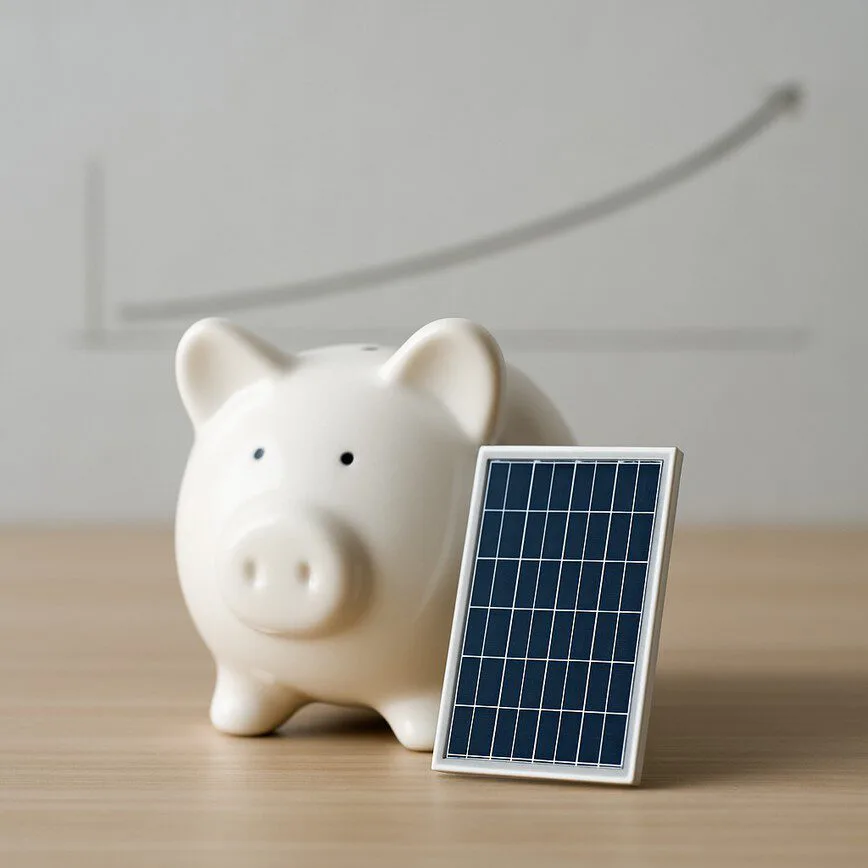
There’s no skirting around it: the initial investment for a residential solar system is significant. The cost of panels, inverters, racking, and professional installation can run into thousands of dollars, which is often the first and most significant barrier for homeowners.
The Reality of the Investment
The final price tag depends on your home’s energy needs, your location, and the equipment you choose. This initial outlay can be intimidating and is often cited when people ask, what is the biggest downside to solar electricity?
Is It a Dealbreaker?
For most, no. Think of it less as a cost and more as an investment. Federal tax credits, state incentives, and local rebates can dramatically reduce the net cost. Furthermore, various financing options, like solar loans or leases, allow you to get started with little to no money down. The key is to understand your specific return on investment (ROI). Using an ROI calculator can help you project your long-term savings against the initial cost, giving you a clear financial picture before you commit.
2. Intermittent Energy Production (Weather & Time Dependent)
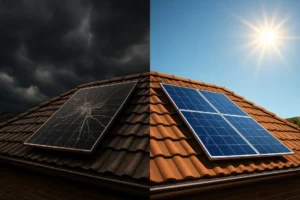
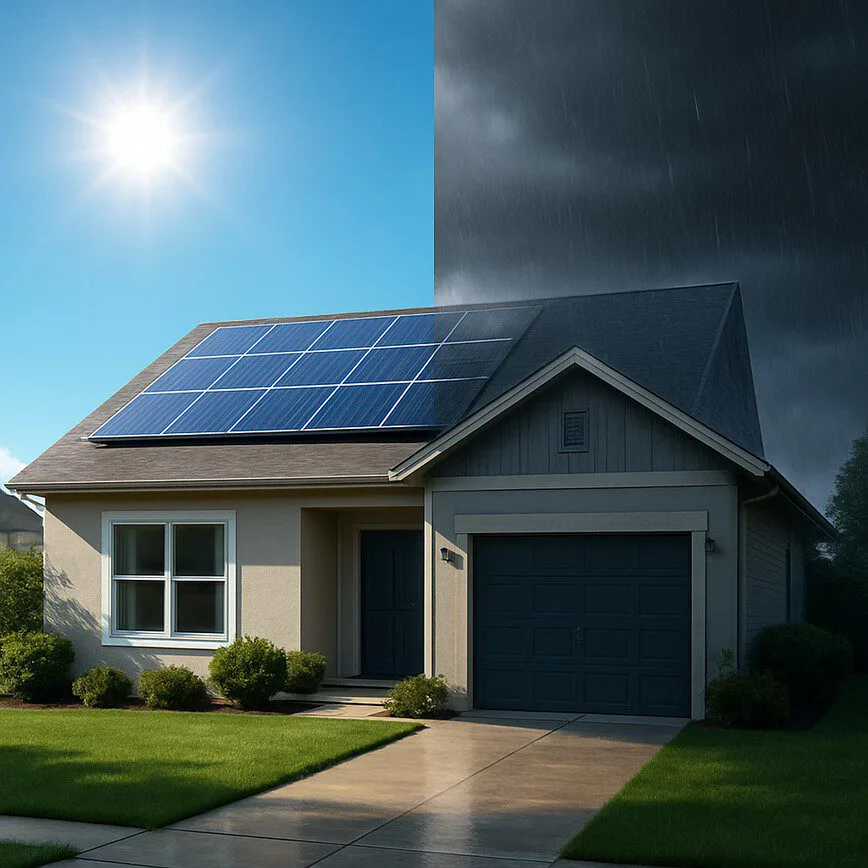
Solar panels are like sunbathers—they don’t work at night and are less productive on overcast, rainy days. This dependency on weather and daylight hours means your energy production isn’t constant.
What Happens on Cloudy Days or at Night?
During periods of low or no sunlight, your home will automatically draw power from the traditional utility grid. You won’t be left in the dark, but you will be paying your utility company for that electricity, which can seem counterintuitive when you have panels on your roof.
Is It a Dealbreaker?
Not with modern solutions. This is where two key technologies come into play:
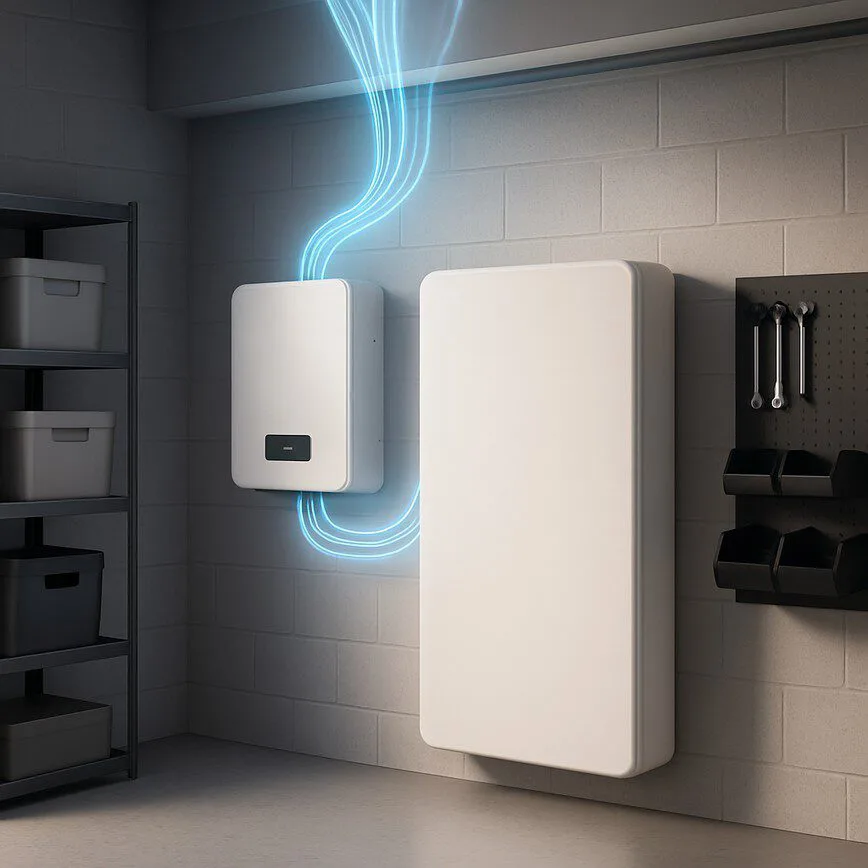
- Solar Battery Storage: Batteries like the Tesla Powerwall store the excess energy your panels generate during peak sunlight hours. You can then use this stored energy at night or during an outage, giving you true energy independence.
- Net Metering: In many areas, utility companies offer net metering programs. When your panels produce more electricity than you’re using, the excess is sent back to the grid, and you receive credits on your bill. These credits offset the cost of the power you draw from the grid when your panels aren’t producing.
3. Large Space Requirement
Solar panels need a place to live, and they take up a fair amount of space. The more energy you want to produce, the more panels you’ll need, and consequently, the more surface area is required.
How Much Roof Space Do You Need?
A typical residential system might require anywhere from 200 to 600 square feet of clear, south-facing roof space. Obstructions like chimneys, vents, and skylights, as well as significant shading from trees, can limit the available area and reduce your system’s efficiency.
Is It a Dealbreaker?
Only for a small percentage of homes. Most residential properties have enough suitable roof space. Modern solar panels are becoming increasingly efficient, generating more power per square foot than older models. If your roof isn’t a viable option, ground-mounted systems can be an excellent alternative, provided you have the yard space. A professional assessment is the best way to determine your home’s potential.
4. Manufacturing & Environmental Impact
While solar energy is clean at the point of use, the manufacturing of panels is an energy-intensive process that involves hazardous materials like silicon tetrachloride and cadmium. This “energy debt” is a valid concern for those focused on the complete environmental picture.
The Hidden Environmental Cost
The production and transportation of solar panels create a carbon footprint. Additionally, questions remain about the long-term plan for recycling panels once they reach the end of their 25-30 year lifespan.
Is It a Dealbreaker?
No, when put in perspective. The environmental impact of manufacturing a solar panel is paid back very quickly. Most studies show that a panel’s energy payback time (the time it takes to generate the same amount of energy used to produce it) is between one and four years. Over its multi-decade lifespan, it will produce far more clean energy than was consumed in its creation. Compared to the continuous and massive environmental damage from fossil fuels, solar is overwhelmingly the better choice.
5. Complicated Installation and Maintenance
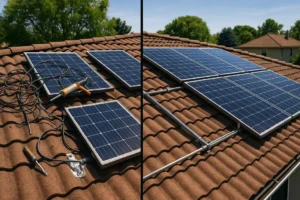
Properly installing a solar energy system is not a simple DIY weekend project. It involves complex electrical wiring, structural mounting, and navigating local permits and utility requirements.
Is it a DIY Project?
Absolutely not. An improper installation can be dangerous, cause serious damage to your roof, and will likely not pass the required electrical inspections to be connected to the grid.
Is It a Dealbreaker?
No, it’s a reason to hire a professional. The complexity of installation underscores the importance of working with a qualified, certified installer. A reputable solar company handles everything from design and permitting to installation and inspection. As for maintenance, solar panels are incredibly durable and require very little upkeep—typically just an occasional cleaning to remove dust and debris.
6. Roof Suitability and Potential Damage
Not all roofs are ready for solar. An older roof or one made of materials like slate or wood shake can complicate or even prevent installation. There’s also a common fear that drilling into the roof to mount the panels will cause leaks.
Will Solar Panels Harm Your Roof?
If installed incorrectly, yes. But a professional installation team uses specialized flashing and sealants designed to integrate seamlessly with your roofing material, creating a watertight seal that prevents leaks. Before any installation, a thorough inspection should be conducted to assess your roof’s age and structural integrity. In some cases, it’s more cost-effective to replace an aging roof before installing a solar system that will be there for 25+ years.
Is It a Dealbreaker?
It’s a checkpoint, not a roadblock. For most homeowners with asphalt shingle or metal roofs in good condition, this is not an issue. A pre-installation roof assessment is a standard and necessary part of the process, ensuring your home is a good candidate for a safe and secure system.
7. The Payback Period Can Be Long
While solar panels start saving you money from day one, the time it takes for those savings to completely offset the initial investment—the payback period—can be anywhere from 7 to 15 years or more.
How Long Until You Break Even?
This timeline depends heavily on the initial cost of your system (after incentives), the local price of electricity you’re offsetting, and how much sunlight your home receives. A long payback period can feel like one of the major 7 disadvantages of solar energy.
Is It a Dealbreaker?
Unlikely, if you have the right expectations. While you wait to break even, you’re still enjoying significantly lower monthly electricity bills. Once the payback period is over, the electricity your system generates is virtually free. Again, this is where financial modeling is key. A good ROI calculator will help you understand your specific payback period and the total lifetime savings, which are often substantial.
Weighing the Advantages and Disadvantages of Solar Energy
After reviewing the challenges, it’s clear that most “disadvantages” are actually considerations that can be managed with proper planning and professional guidance. The high upfront cost is mitigated by incentives and financing, intermittency is solved by batteries and net metering, and installation concerns are eliminated by hiring qualified experts.
When you weigh these manageable hurdles against the positives, the case for solar becomes compelling. While we’ve focused on the cons here, it’s important to remember the wide array of solar energy benefits that motivate millions of homeowners, from massive long-term cost savings to a stable energy supply and a positive environmental legacy.
The Verdict: Are the Downsides of Solar Electricity Dealbreakers?
For the vast majority of homeowners, the disadvantages of solar energy are not dealbreakers. They are practical questions that demand thoughtful answers and careful planning.
Going solar is a major decision for any home, and it’s one that should be made with a complete and honest understanding of both the pros and the cons. By addressing these seven potential downsides head-on, you are no longer just hoping for the best—you are equipped with the knowledge to make an informed choice that’s right for your specific residential solar solution.