When you begin exploring the switch to solar energy for your home, one of the first questions you’ll likely ask is, “How much does it cost?” But the answer isn’t just about the price of the panels themselves. A crucial factor that directly influences both upfront cost and long-term savings is efficiency. Understanding the average solar panel efficiency cost is key to making a smart investment that pays dividends for years to come.
Table of Contents
This guide is designed to demystify the pricing of solar energy. We’ll break down what you’re paying for, from the technology in the panels to the final solar panel installation. Having a comprehensive solar knowledge base allows homeowners to make an informed, confident decision. Let’s dive into the complete pricing picture.
What Influences the Average Solar Panel Efficiency Cost?
The core principle is simple: higher-efficiency panels typically come with a higher price tag. But why? Higher efficiency means the panel can convert more sunlight into usable electricity within the same amount of space. This superior performance is a result of more advanced technology and manufacturing processes, which in turn affects the price.
Here are the primary factors that determine the cost related to efficiency:
Panel Technology
Not all solar panels are created equal. The type of photovoltaic (PV) cell used is the biggest driver of both efficiency and cost.
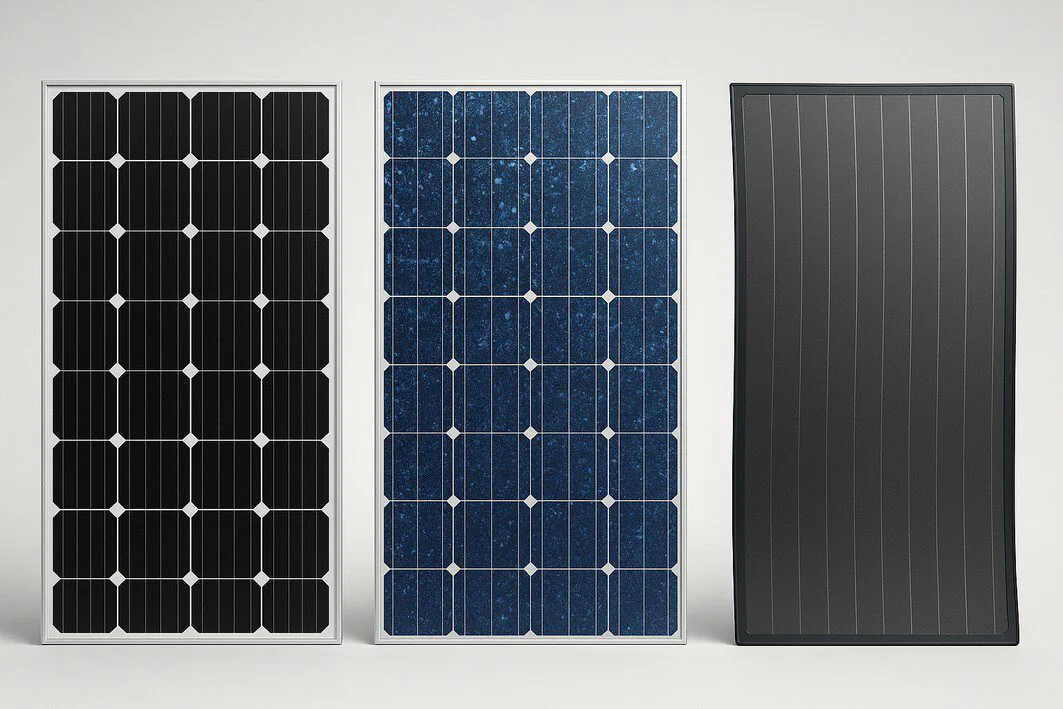
- Monocrystalline Panels: Made from a single, pure silicon crystal, these are the most efficient panels available on the market. Their uniform structure allows electrons to move more freely, generating more power. They have a sleek black appearance and are the premium, higher-cost option.
- Polycrystalline Panels: Constructed from multiple silicon fragments melted together, these panels are slightly less efficient than their monocrystalline counterparts. The process is less expensive, making them a more budget-friendly choice. You can spot them by their blue, speckled look.
- Thin-Film Panels: These panels are made by depositing a thin layer of photovoltaic material onto a substrate. While they are the least expensive and most flexible, they are also the least efficient, requiring a much larger surface area to produce the same amount of power.
Brand and Manufacturing Quality
Like any major purchase, brand reputation matters. Established manufacturers who invest heavily in research and development often produce more reliable and efficient panels. This premium quality is reflected in the price but is also backed by robust warranties, giving you peace of mind for the 25+ year lifespan of your system.
Wattage and System Size
The cost of a solar system is often priced per watt. A higher efficiency panel will have a higher wattage rating in the same physical size as a lower efficiency panel. This means you might need fewer high-efficiency panels to meet your home’s energy needs, which can be a critical advantage for homes with limited or complex roof space.
The Declining Cost of Solar Panels Over Time
If you were to look at a cost of solar panels over time graph, you would see a dramatic downward trend over the past two decades. Advances in manufacturing and economies of scale have made solar technology more accessible than ever.
While the raw cost of the hardware has fallen, the value proposition has only increased. Today’s panels are significantly more efficient and durable than those from just ten years ago. This means that every dollar you invest in a modern solar system works harder for you, generating more clean energy and delivering a faster return on your investment. Leveraging a comprehensive solar knowledge base helps you understand these trends and how they apply to your specific residential needs.
Beyond the Panels: Breaking Down Solar Panel Installation Costs
The panels are just one part of the equation. A complete solar panel installation involves several other essential components and services that contribute to the final price.
- Labor and Expertise: You are paying for a team of certified professionals to design the system, secure it safely to your roof, and connect it correctly to your home’s electrical grid. Quality workmanship is non-negotiable for safety and performance.
- Racking and Mounting Hardware: This is the durable framework that holds your panels in place, designed to withstand wind, rain, and snow for decades.
- Inverters: This critical piece of equipment converts the Direct Current (DC) electricity generated by your panels into the Alternating Current (AC) used by your home’s appliances.
- Permitting and Inspection Fees: Your local municipality requires permits to ensure the installation meets all safety and building codes. These administrative fees are a standard part of the process.
Calculating Your Potential ROI: How Efficiency Impacts Savings
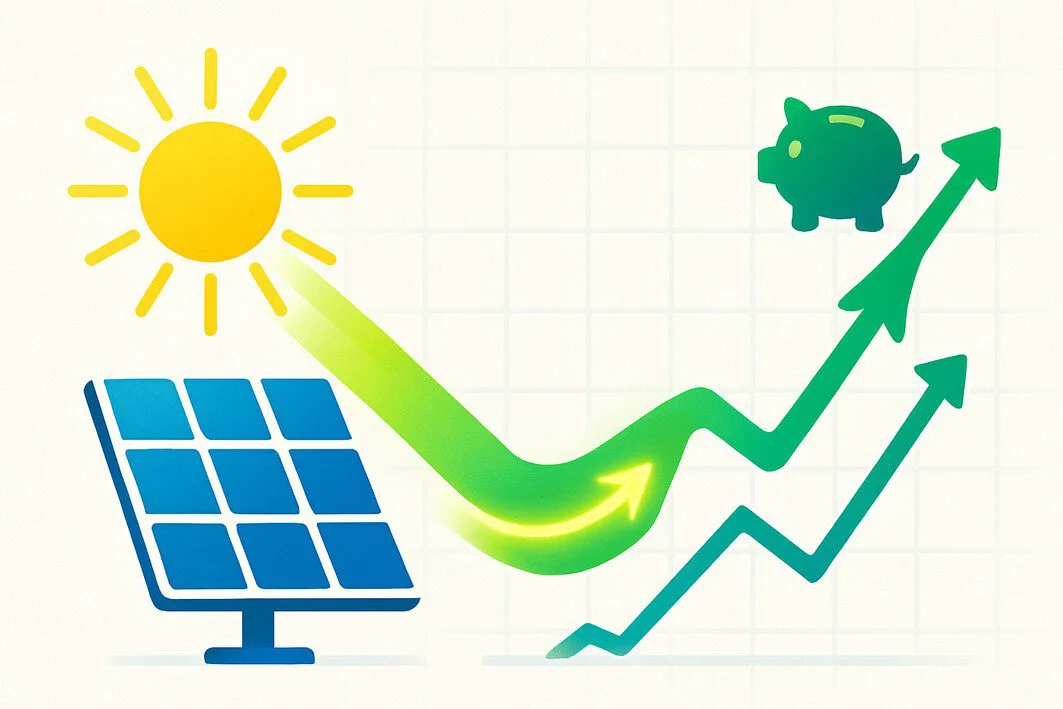
This is where the upfront cost of efficiency truly proves its worth. A higher-efficiency system generates more electricity, which means you’ll be purchasing less power from the utility company, leading to greater monthly savings.
To truly grasp how efficiency affects your return, it helps to first understand the metric itself. Learning about What solar panel efficiency actually measures provides the foundational knowledge for evaluating your investment.
A more efficient system can:
- Maximize energy production on a small or partially shaded roof.
- Meet higher energy demands (e.g., for electric vehicle charging).
- Generate a faster payback period on your initial investment.
Using an online ROI calculator is a powerful tool to help you make a decision. It can model your potential savings based on your location, energy usage, and the type of system you’re considering.
How to Get an Accurate Solar Panel Quote for Your Home
When you’re ready to take the next step, it’s time to request a solar panel quote. A trustworthy quote should be more than just a single number; it should be a detailed, transparent proposal.
Look for a quote that itemizes the costs for:
- The specific brand and model of solar panels.
- The inverter and other major hardware.
- Racking and mounting equipment.
- Labor costs for the installation team.
- Permitting and any associated fees.
- Details on warranties for parts and labor.
For those focused on residential solar solutions, it’s wise to compare quotes based on overall value, not just the lowest price. Consider the efficiency of the panels, the quality of the components, and the reputation of the installer.
Your journey to energy independence is a significant investment. By understanding the relationship between efficiency and cost, you can confidently choose a solar energy system that delivers exceptional value and sustainable savings for your home.