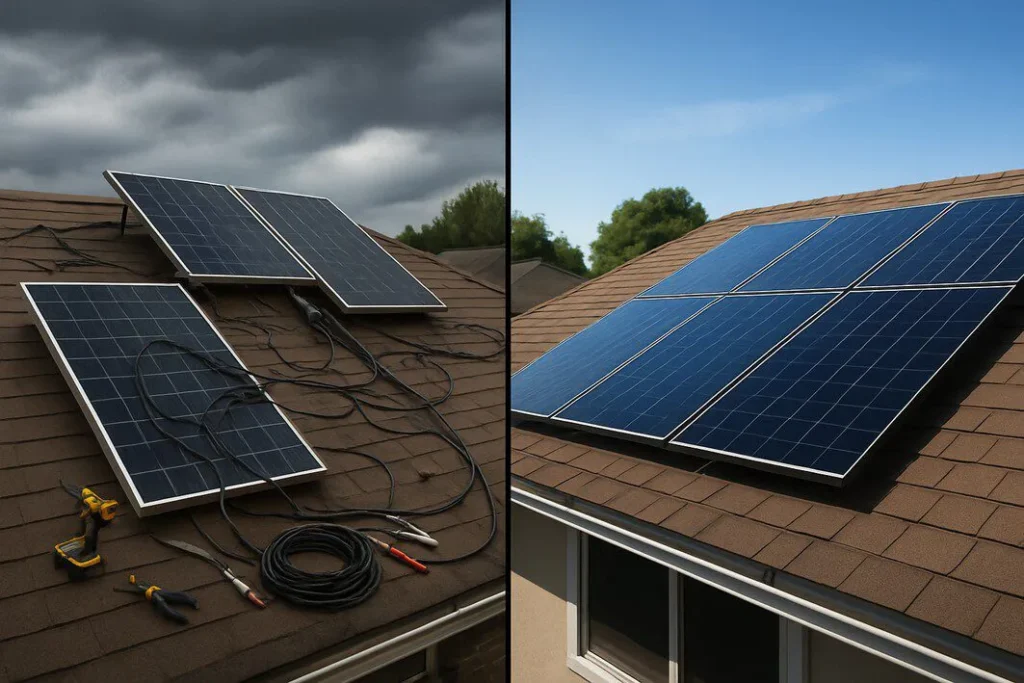
The promise of solar energy is compelling:
- Lower energy bills
- A smaller carbon footprint
- Increased home value
For the hands-on homeowner, the idea of a DIY solar project can be even more appealing. This raises an important question: can I install my own solar panels? While the answer is technically yes, the debate of DIY vs. professional solar panel installation involves far more than just upfront costs.
Table of Contents
Proper placement is the single most critical factor determining your system’s lifetime performance and return on investment. Before you climb onto your roof, it’s essential to conduct a clear-eyed analysis of the costs, benefits, and significant risks involved. This guide will break down the true difference between a DIY approach and hiring a professional, helping you make an informed decision for your home.
The Allure of DIY Solar Panel Placement
The primary driver for most DIY projects is the potential for significant cost savings. By cutting out labor costs, homeowners believe they can get a solar system for a fraction of the price. There’s also the undeniable satisfaction of completing a complex project yourself, taking direct control over your home’s energy future.
However, this initial appeal often masks a more complex reality filled with hidden costs and substantial risks.
Analyzing the True Costs & Risks of DIY Solar Panel Placement
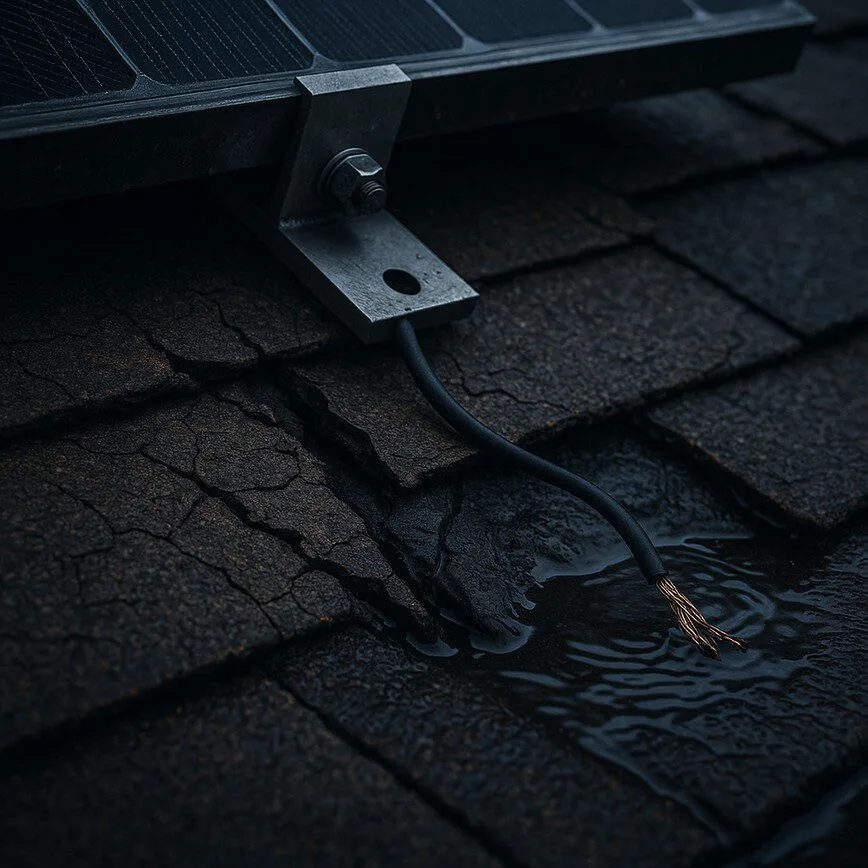
Embarking on a DIY solar installation is not for the faint of heart. The potential pitfalls can quickly erase any initial savings and, in some cases, end up costing you more than a professional installation.
The Hidden Financial Costs
While you save on labor, a DIY project introduces other expenses. You may need to purchase or rent specialized tools, scaffolding, and safety equipment. More importantly, a single mistake—like cracking a panel, improperly wiring a connection, or failing a permit inspection—can lead to costly repairs or replacements. Many equipment manufacturers will also void their warranties if the components are not installed by a certified professional, leaving you completely exposed if a panel or inverter fails.
The Safety and Structural Risks
This is arguably the most critical consideration. The risks of DIY solar panel placement are substantial and multifaceted:
- Electrical Hazard: Solar panel systems produce high-voltage DC electricity. A mistake in wiring can lead to a risk of electrocution or create a serious fire hazard.
- Structural Damage: Your roof is not just a platform; it’s a critical structural component of your home. Improperly installed mounting hardware can create leaks, compromise your roof’s integrity, and lead to thousands of dollars in water damage repairs. Professionals perform a structural assessment to ensure your roof can handle the added weight.
- Personal Injury: Working on a roof with heavy, cumbersome solar panels is inherently dangerous. The risk of falling is significant and can have life-altering consequences.
The Performance Risk: Suboptimal Placement
This is where expert knowledge truly pays off. A professional doesn’t just attach panels to your roof; they design a system for maximum energy harvest. They analyze factors you might overlook:
- Azimuth and Tilt: The precise angle and orientation of your panels relative to the sun’s path throughout the year.
- Shading Analysis: Identifying potential shading from trees, chimneys, or neighboring buildings at different times of day and seasons.
- Local Weather Patterns: Using historical data to forecast energy production accurately.
Getting this wrong means your system will consistently underperform, drastically extending the time it takes to recoup your investment and undermining the primary reason for going solar.
The Professional Approach: Investing in Expertise and Peace of Mind
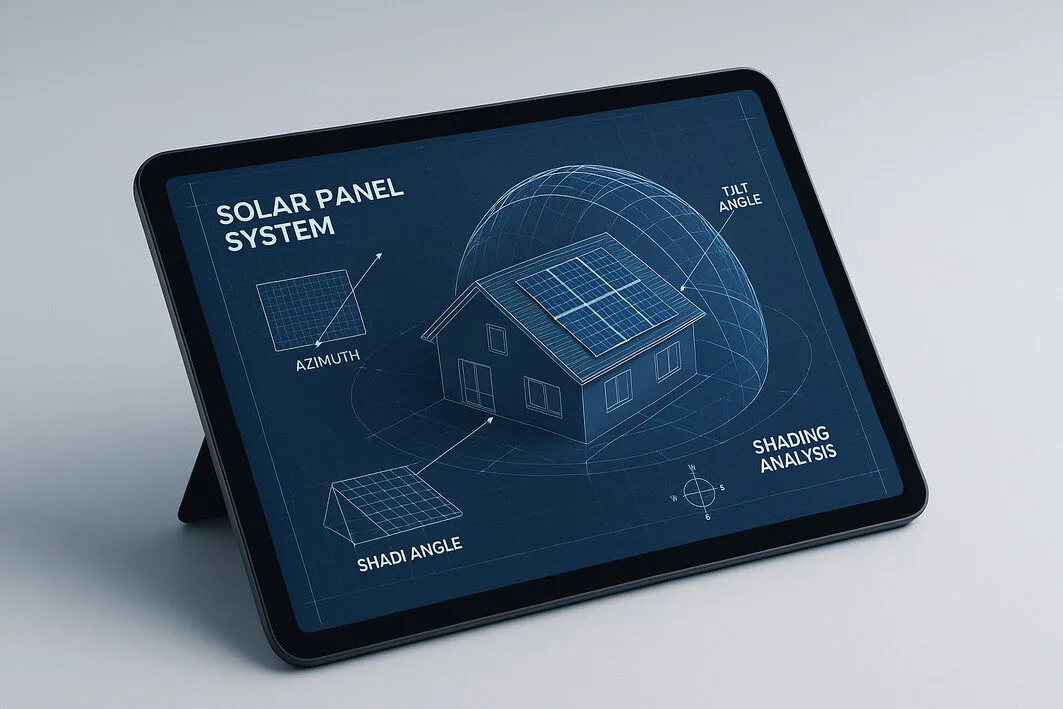
Hiring a certified solar installer is an investment in efficiency, safety, and long-term value. It transforms a high-risk project into a streamlined, predictable process.
Understanding the Cost of Professional Solar Panel Assessment
When you see a quote from a professional, you’re not just paying for labor. The cost of a professional solar panel assessment and installation includes a suite of critical services:
- Detailed Site Survey: An expert evaluation of your roof’s condition, orientation, and potential shading issues.
- System Design & Engineering: Creating a custom-tailored solar array plan that maximizes energy production for your specific location.
- Permitting and Inspection Management: Navigating the complex web of local building codes and utility requirements on your behalf.
- ROI Forecasting: Using sophisticated software to provide a reliable estimate of your energy savings, which you can compare using tools like our ROI calculator.
The Benefits of Professional Placement & Installation
Professional installation delivers tangible benefits that a DIY approach often cannot match.
- Maximized ROI: Expert placement ensures your system generates the most power possible, accelerating your return on investment.
- Safety and Compliance: Certified installers are trained, insured, and knowledgeable about all electrical and building codes, ensuring your system is safe and legal.
- Warranty Protection: Professional installation keeps your valuable manufacturer warranties on panels and inverters intact.
- Long-Term Peace of Mind: Reputable installers offer workmanship warranties and support, giving you a resource to call if any issues arise.
Head-to-Head Comparison: DIY vs. Professional
| Factor | DIY Solar Placement | Professional Solar Placement |
|---|---|---|
| Upfront Cost | Lower (materials only) | Higher (includes labor & services) |
| Hidden Costs | High potential (tools, mistakes, repairs) | Minimal to None |
| Safety Risk | High (electrical, structural, personal) | Very Low (handled by insured pros) |
| Performance | Suboptimal (risk of poor placement) | Optimized for Maximum ROI |
| Warranties | Often Voided | Fully Intact |
| Time & Effort | Extremely High | Minimal for Homeowner |
Making the Right Decision for Your Home
While the DIY spirit is admirable, solar panel installation is one area where the stakes are simply too high. The decision of DIY vs. professional solar panel installation ultimately comes down to a choice between perceived upfront savings and guaranteed long-term value and safety.
A professional assessment and installation protect your investment, your home, and your family. By leveraging a comprehensive solar knowledge base, professionals eliminate the guesswork and ensure your system performs optimally from day one. Once you’ve decided that professional expertise is the right path, you can understand the professional solar panel installation process and see how experts manage everything from the initial consultation to final commissioning.
Ultimately, choosing a professional isn’t an expense—it’s the most crucial step in ensuring your solar journey is a successful and profitable one.