You’ve made a smart investment in your home and the planet by switching to solar energy. But installing panels is just the first step. To get the most significant return on that investment and drastically reduce your energy bills, you need to ensure your system is operating at its peak performance. This practical guide will walk you through exactly how to maximize your solar panel efficiency, from simple DIY tasks to knowing when to call in the pros.
Table of Contents
At RenewGenius, our goal is to be your comprehensive solar knowledge base, empowering you to make confident decisions about your residential solar system. Let’s dive into the actionable steps you can take today to boost your energy production.
Understanding the Basics: What Drives Solar Panel Efficiency?
Before we get into the “how,” it’s helpful to understand the “what.” Solar panel efficiency is a measure of how much of the sunlight that hits your panels is successfully converted into usable electricity. While a complex solar cell efficiency formula is used by engineers to determine a panel’s rating under lab conditions, what matters for you is the real-world output.
Many factors can influence this in the field, from weather to the age of your panels. For homeowners, the key isn’t to get bogged down in complex physics but to control the variables you can. If you want a more detailed explanation of the core concepts, our guide on what solar panel efficiency truly means is the perfect place to start.
Actionable Steps: How to Increase Solar Panel Efficiency
Improving your system’s output doesn’t always require a major overhaul. Consistent care and attention can make a significant difference. Here are the most effective strategies for boosting your solar production.
Keep Them Clean: The Importance of Regular Cleaning
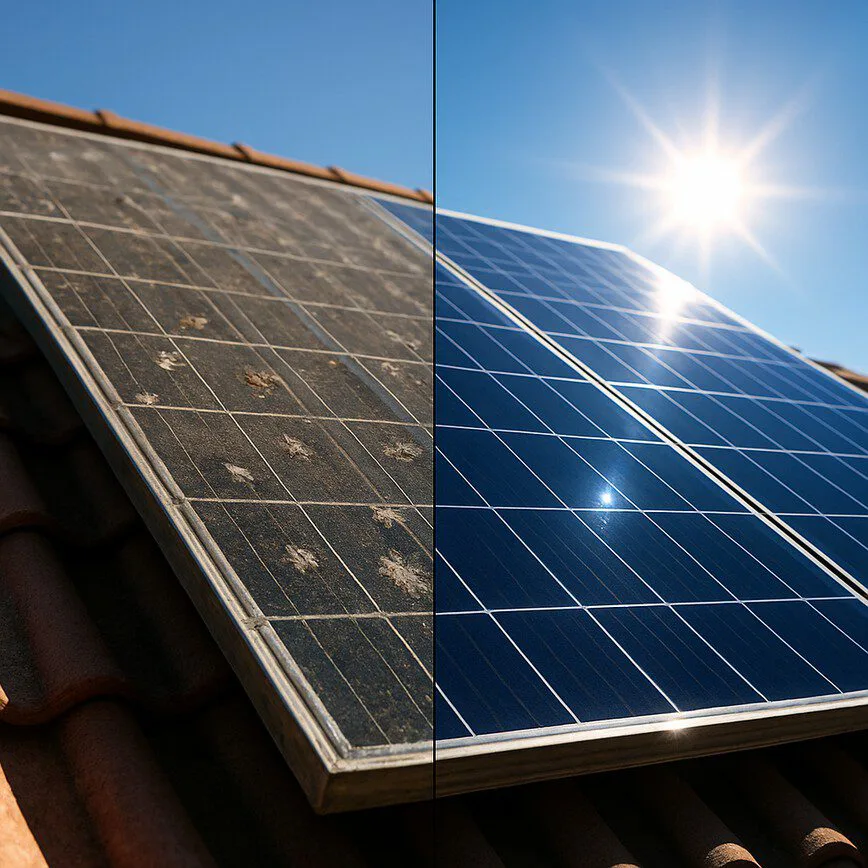
This is the easiest and often most impactful step you can take. A layer of dust, dirt, pollen, or bird droppings can act like a film, blocking sunlight and reducing your system’s efficiency by 5% to 25% in some cases.
DIY Cleaning Tips:
- When to Clean: Inspect your panels quarterly and after major dust storms or periods with little rain.
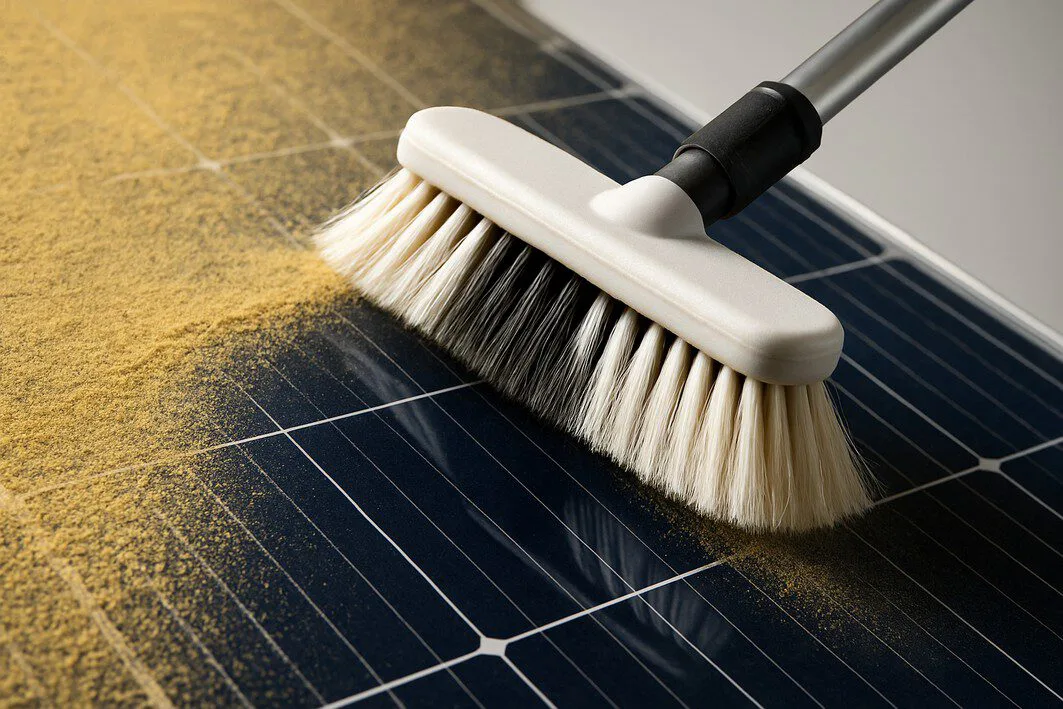
- How to Clean: On a cool, overcast morning, simply spray the panels down with a regular garden hose to remove loose debris. For more stubborn grime, use a soft-bristled brush or cloth with a long extension pole and a bucket of soapy water (a small amount of dish soap works well).
- Safety First: Never climb on your roof without proper safety equipment. If your panels are hard to reach, it’s always best to hire a professional cleaning service.
This simple act of solar panel maintenance is a cornerstone of a high-performing system.
Optimize Your Panel Angle and Orientation
For your panels to produce the most power, they need to receive the most direct sunlight possible. While your installer likely optimized the orientation (ideally south-facing in the Northern Hemisphere) and angle during setup, there are still things to consider.
If you have a ground-mounted system or an adjustable roof mount, you can make seasonal tilt adjustments. A steeper angle is better in the winter to catch the low-hanging sun, while a shallower angle is more effective in the summer when the sun is high overhead.
Prevent and Manage Shading
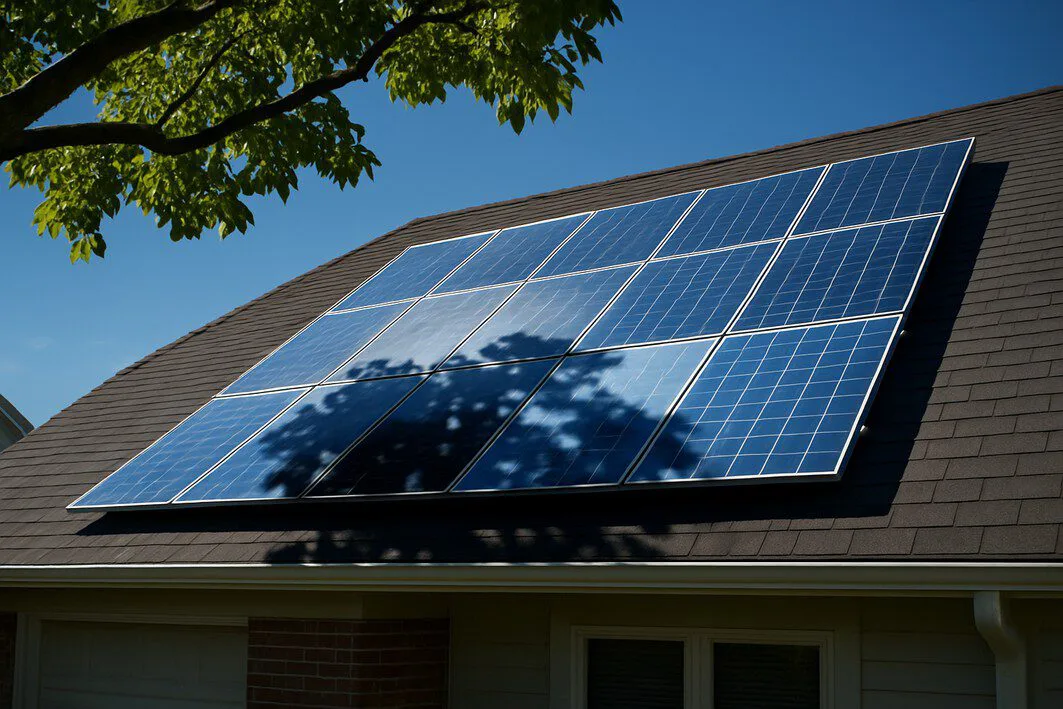
Even a small amount of shade on one part of a panel can disproportionately reduce the output of the entire system.
- Tree Trimming: Regularly trim back any tree branches that have grown to cast shadows on your panels during peak sun hours (typically 9 a.m. to 3 p.m.).
- Future Obstructions: Be mindful of new construction, satellite dishes, or antennas that could create new shading issues.
Monitor System Performance Regularly
Most modern residential solar solutions come with monitoring software that you can access via a web or mobile app. Make a habit of checking this data weekly or monthly. It’s your system’s report card. By understanding your normal production patterns, you can quickly spot any sudden drops that might indicate a problem, such as a malfunctioning inverter, a dirty panel, or a new shading issue. This proactive approach allows you to address problems before they significantly impact your energy savings.
The Role of Professional Solar Panel Maintenance
While DIY cleaning and monitoring are crucial, periodic professional solar panel maintenance is essential for long-term efficiency and safety. A professional inspection, recommended every 1-2 years, goes beyond simple cleaning. A technician will:
- Check for cracks, corrosion, or damage to the panels.
- Inspect all wiring and electrical components for wear and tear.
- Ensure the mounting hardware is secure.
- Test the inverter to confirm it’s functioning correctly.
Think of it as a tune-up for your home’s power plant, ensuring your investment is protected and performing optimally for years to come.
Is It Time for an Upgrade?
If you have an older system (10+ years old), you may find that even with perfect maintenance, your efficiency isn’t what it used to be. Solar technology has advanced rapidly, and new panels are significantly more efficient than their predecessors.
If your energy needs have grown or you’re looking for a substantial boost in production, upgrading your panels or expanding your system might be the most effective strategy. To determine if this makes financial sense, a solar ROI calculator can help you weigh the cost of new equipment against the long-term energy savings.
Your Partner in Solar Efficiency
Maximizing your solar panel efficiency is an ongoing process of cleaning, monitoring, and smart maintenance. By following these practical steps, you ensure your residential solar system continues to be a powerful asset for your home.
At RenewGenius, we’re committed to providing the insights you need to get the most from your solar journey. Keep exploring our comprehensive knowledge base to stay informed and empowered.